Diabetes is one of the most common long-term conditions in the UK, and many people who manage it safely continue to drive without any issues. But depending on how your diabetes is treated and whether you experience hypoglycaemia, you may be legally required to tell the DVLA.
Failing to notify them when required can result in fines, loss of insurance, or prosecution if an accident occurs. Here’s a clear guide to help you understand when you need to report your condition and how it affects your driving rights.
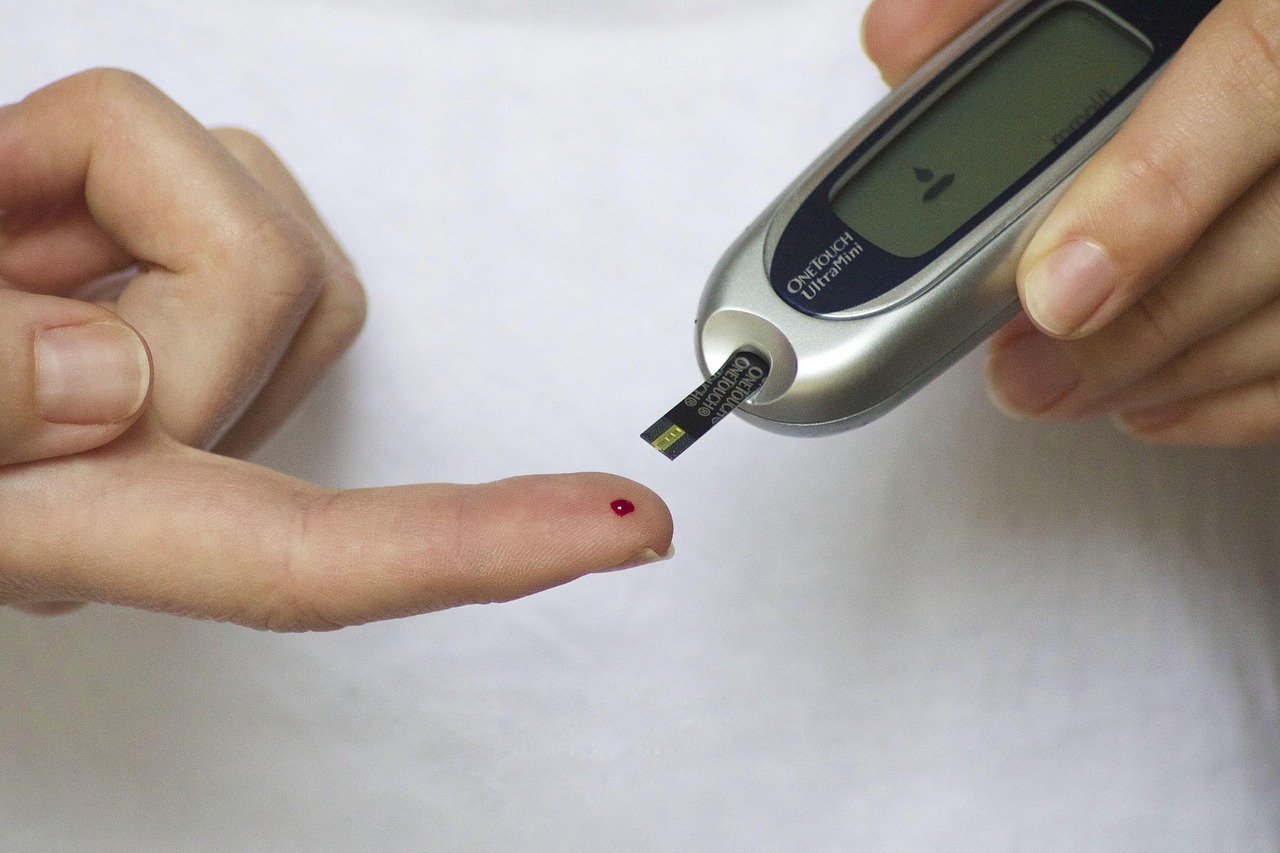 Find out more guidance on whether you need to report diabetes to
the DVLA and if you can still drive? (Image by Tesa
Robbins from Pixabay)
Find out more guidance on whether you need to report diabetes to
the DVLA and if you can still drive? (Image by Tesa
Robbins from Pixabay)
When you must tell the DVLA about diabetes
The key factor is how your diabetes is managed. Some treatments increase the likelihood of a severe hypo, and this is what the DVLA is mainly concerned about. A severe hypo is one that requires another person’s help to recover.
You must tell the DVLA if any of the following apply:
• You use insulin for any length of time
• You use tablets that increase the risk of hypos, such as sulphonylureas or
glinides
• You have had more than one severe hypo within 12 months
• You have lost awareness of hypoglycaemia
• You develop eye problems such as
retinopathy that affect your ability to see clearly
• You are a bus,
coach or lorry driver and use insulin or certain non-insulin injections
If your diabetes is controlled by diet alone, you do not need to tell the DVLA for any licence type.
Group 1 vs Group 2 rules
DVLA rules differ depending on whether you hold a normal car/motorcycle licence (Group 1) or a bus/lorry licence (Group 2).
Group 1 (cars and motorcycles)
Most people with diabetes fall into this category. You must notify the DVLA if:
• You use insulin
• You use
medication that can cause hypos and have had more than one severe hypo in a year
• You have hypo unawareness
If you are on tablets or non-insulin injections that do not cause hypos, and you have never had a severe hypo, you usually do not need to report your diabetes.
Group 2 (lorries, buses, coaches)
The rules are more strict because of the size and weight of the vehicles.
You must notify the DVLA if:
• You use insulin
• You use
certain non-insulin medications
• You have any episodes of severe
hypoglycaemia
• You have eye problems affecting vision
Group 2 licences may be issued for shorter periods and often require regular medical reviews.
What happens after you notify the DVLA
Once the DVLA is informed, they may ask for more details from you and your GP or specialist. For insulin users, your licence may be issued for one, two or three years instead of lasting until your 70th birthday. You may also need to show blood glucose records to demonstrate good control.
If the DVLA temporarily withdraws your licence, it can usually be reinstated once your hypos or eyesight problems are under control.
Driving safely with diabetes
Most people with diabetes can drive safely, but the law requires you to take precautions. Before setting off, check your blood sugar. If it is 5.0 mmol/L or above, you are safe to drive. If it is below 5.0, take carbohydrates and wait for it to rise.
Drivers using continuous or flash glucose monitors may rely on the device, but if the reading is 4.0 mmol/L or lower, or does not match how you feel, you should do a finger-prick test.
If you have a hypo while driving:
-
Stop the car as soon as it is safe
-
Remove the keys from the ignition
-
Take fast-acting carbohydrates
-
Wait at least 45 minutes after recovery before driving again
Data tables
Treatments and whether you must tell the DVLA
| Diabetes treatment type | Must notify DVLA? | Applies to Group 1 | Applies to Group 2 |
|---|---|---|---|
| Diet only | No | No | No |
| Insulin | Yes | Yes | Yes |
| Tablets that can cause hypos (e.g. sulphonylureas, glinides) | Depends on severe hypos | Sometimes | Yes |
| Tablets that do not cause hypos | No | No | No |
| Non-insulin injections | Depends on medication | Sometimes | Yes |
Hypoglycaemia reporting thresholds
| Situation | Action required |
|---|---|
| One severe hypo in 12 months | Seek medical advice |
| More than one severe hypo in 12 months | Must tell DVLA |
| Hypo while asleep | Report to GP |
| Loss of hypo awareness | Must tell DVLA |
So can you still drive?
In most cases, yes. Diabetes doesn’t stop you driving, but it does mean taking extra care and following the DVLA’s rules. As long as your diabetes is well managed and you understand when you need to tell the authorities, you can continue driving legally and safely.
If you are unsure about your medication, your risk of hypos, or whether you need to report your condition, it’s best to speak to your GP or diabetes specialist.
Disclaimer - Always seek advice from a medical or the DVLA before driving with diabetes
More on medical conditions and driving
Subscribe for free motoring and travel news here - support independent journalism
Most read motoring content
Take a look at more of our top motoring-related content here...
-
How to spot a fake undercover police car
-
Do I need to pay the Dartford Crossing charge on Sundays?
-
Will I get a speeding ticket after being flashed
-
Do I need an international driving permit for France and Spain
-
Secret parking offences you're committing revealed
-
Alternative routes for beating jams on the M25
-
Alternative routes for the M1 motorway
-
Alternative routes for the M6 motorway
-
How old are my tyres - find out instantly here
-
What are the black dots on my windscreen for?
-
Are my sunglasses legal for driving?
 Share
Share Tweet
Tweet Pin
Pin Email
Email Share
Share Share
Share
Author: Pete Barden:
Twitter: @pete_barden
Pete Barden is a qualified journalist who has written and produced for publications including The Sun (thesun.co.uk), New Statesman Media Group, Whatcar? (Whatcar.com) Stuff Magazine (Stuff.tv), Fastcar Magazine (Fastcar.co.uk), Maxim Magazine and UK broadcast stations within the Heart network (Formerly GCAP). Pete specialises in motoring and travel content, along with news and production roles. You can find out more about Pete Barden on LinkedIn.