Selling a car or van involves more than just handing over the keys. You need to tell the Driver and Vehicle Licensing Agency (DVLA) and ensure that you handle road tax and insurance responsibilities correctly.
Failure to follow the correct process can lead to fines or ongoing financial liability for a car you no longer own. Here motoring journalist and expert Pete Barden breaks down the essential steps you must complete as soon as you sell.
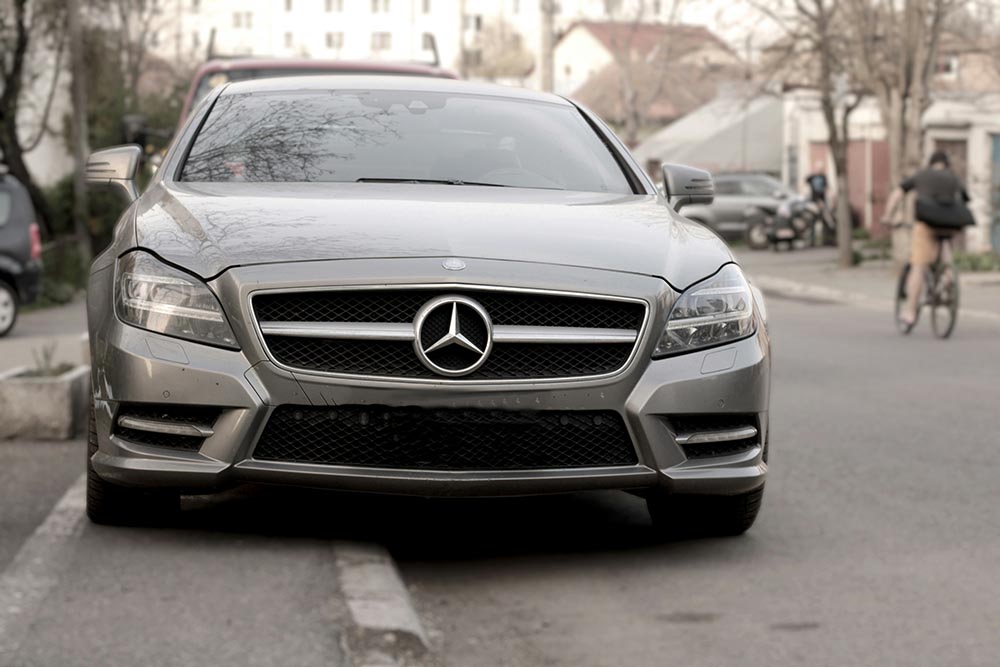 Selling your car? Make sure you let the DVLA
know or risk fines and prosecutions. (Photo by Theo
Lonic on Unsplash
Selling your car? Make sure you let the DVLA
know or risk fines and prosecutions. (Photo by Theo
Lonic on Unsplash
What to do when you sell your car and tell the DVLA - step-by-step guide
| Step | What you need to do | Important information |
|---|---|---|
| 1 | Gather your documents | Find your V5C logbook, MOT certificate and service history. Make sure any outstanding finance has been settled before selling. |
| 2 | Complete the V5C | Fill in the relevant section of your V5C logbook. For a private sale, complete the new keeper details. If selling to a dealer or scrapyard, use the relevant section. |
| 3 | Tell the DVLA | Notify the DVLA that you have sold the vehicle. You can do this online or by post. Do not leave it to the buyer. |
| 4 | Check your vehicle tax | Vehicle tax does not transfer to the new owner. Your tax will be cancelled when you tell the DVLA and you may receive a refund for full months remaining. |
| 5 | Contact your insurer | Tell your insurance company that you have sold the car. Cancel the policy or transfer it to another vehicle, depending on your circumstances. |
| 6 | Keep proof | Save your DVLA confirmation and other sale documents. This can help prove when you stopped being responsible for the vehicle. |
1. Gather essential documents
Before selling your vehicle, ensure you have the following documents:
- V5C Logbook – This is required to inform the DVLA about the change of ownership.
- MOT Certificate – Although not legally required, it reassures buyers about the vehicle’s roadworthiness.
- Service History and Receipts – These help increase the car’s value and trustworthiness.
- Any Existing Finance Clearance – If the car has outstanding finance, ensure it is settled before selling.
2. Complete the V5C logbook
The V5C document (logbook) is essential for transferring ownership. Here’s what you need to do:
- For a private sale: If you have the newer-style V5C, you can use the GOV.UK online service to tell DVLA you've sold the vehicle. Give the buyer the green new keeper slip and destroy the rest of the V5C as instructed. If using the older-style V5C by post, complete the relevant sections and send the V5C to the DVLA.
- If Selling to a Dealer or Scrap Yard: Fill in section 9 and send it to the DVLA yourself.
- Online Notification: You can notify the DVLA of the sale online via their website. This is often quicker than posting the form.
Don't give buyers a photo or copy of your V5C showing the document reference number.
3. Inform the DVLA immediately
Once you’ve sold the vehicle, it is your legal responsibility to notify the DVLA. Do not allow the new owner to let the DVLA know, be this a private buyer of dealer - or you could be leaving yourself open to big bills coming your way - and even prosecutions.
Informing the DVLA you have sold the car or other vehicle can be done:
- Online at www.gov.uk/sold-bought-vehicle
- By Post by sending the V5C form to: DVLA, Swansea, SA99 1BA.
You will receive an email or letter confirmation from the DVLA once the update is processed.
4. Can I transfer road tax to the new owner
Vehicle tax does not transfer to the new owner. You must:
- Cancel Direct Debit Payments – If you pay vehicle tax via direct debit, it will automatically stop when you inform the DVLA.
- Claim a Tax Refund – If you paid tax upfront, the DVLA will refund you for any full months left after the sale.
- You can find a more detailed guide to cancelling road tax and getting a refund here.
The new owner must tax the vehicle before driving it.
5. Notify your insurance provider
Once the car is sold, inform your insurance company. You can either:
- Cancel your policy if you are not replacing the vehicle.
- Transfer the policy to your new car if applicable.
Failing to notify your insurer could result in you paying for a car you no longer own.
Warning: Risks of not informing the DVLA
If you do not notify the DVLA, you remain legally responsible for the vehicle. This could mean:
- Being liable for any speeding or parking fines the new owner incurs.
- Continuing to be charged for vehicle tax.
- Facing a fine of up to £1,000 for not informing the DVLA of the sale.
Frequently asked questions about selling a car and telling the DVLA
How do I tell the DVLA I have sold my car?
You can tell the DVLA that you have sold your car online through the official GOV.UK website or by completing the relevant section of your V5C logbook and sending it to the DVLA by post. It is the seller's responsibility to make sure the DVLA is told about the sale.
How quickly do I need to tell the DVLA?
You should tell the DVLA as soon as you have sold the vehicle. Do not rely on the buyer to update the DVLA on your behalf, as you could remain responsible for the vehicle until the DVLA's records are updated.
Does car tax transfer when you sell a car?
No. Vehicle tax does not transfer to the new owner when you sell your car. When you tell the DVLA about the sale, your vehicle tax will be cancelled and you may be entitled to a refund for any full months of tax remaining.
Can I sell a car without a V5C logbook?
You can sell a car without the V5C in some circumstances, but it can make the process more difficult. The V5C contains important information about the vehicle and its registered keeper. If you have lost your logbook, you should check the current DVLA process for getting a replacement before selling the car.
Do I need to cancel my car insurance after selling?
Yes, you should tell your insurer as soon as you have sold the car. You may be able to cancel the policy or transfer it to another vehicle, depending on your circumstances and the terms of your insurance.
What happens if the buyer does not register the car?
You should still notify the DVLA yourself when you sell the vehicle. Keeping your DVLA confirmation and other evidence of the sale can help demonstrate when you stopped being responsible for the vehicle if problems arise later.
What happens to my MOT when I sell my car?
The vehicle's MOT does not transfer in the same way as insurance or vehicle tax. The MOT record remains associated with the vehicle, and the buyer can check its current MOT status and history online.
And finally...
Selling a vehicle is a straightforward process if you follow the correct steps. Ensuring that the DVLA and tax authorities are informed promptly will help you avoid financial and legal complications. Always keep confirmation records to prove you have completed the process correctly.
Subscribe for free motoring and travel news here - support independent journalism
Most read motoring content
Take a look at more of our top motoring-related content here...
-
How to spot a fake undercover police car
-
Do I need to pay the Dartford Crossing charge on Sundays?
-
Will I get a speeding ticket after being flashed
-
Do I need an international driving permit for France and Spain
-
Secret parking offences you're committing revealed
-
Alternative routes for beating jams on the M25
-
Alternative routes for the M1 motorway
-
Alternative routes for the M6 motorway
-
How old are my tyres - find out instantly here
-
What are the black dots on my windscreen for?
-
Are my sunglasses legal for driving?
 Share
Share Post
Post Pin
Pin Email
Email Share
Share Share
Share
Author: Pete Barden:
Twitter: @pete_barden
Pete Barden is a qualified journalist who has written and produced for publications including The Sun (thesun.co.uk), New Statesman Media Group, Whatcar? (Whatcar.com) Stuff Magazine (Stuff.tv), Fastcar Magazine (Fastcar.co.uk), Maxim Magazine and UK broadcast stations within the Heart network (Formerly GCAP). Pete specialises in motoring and travel content, along with news and production roles. You can find out more about Pete Barden on LinkedIn.